
What Causes Alloy Wheels to Lose Air?
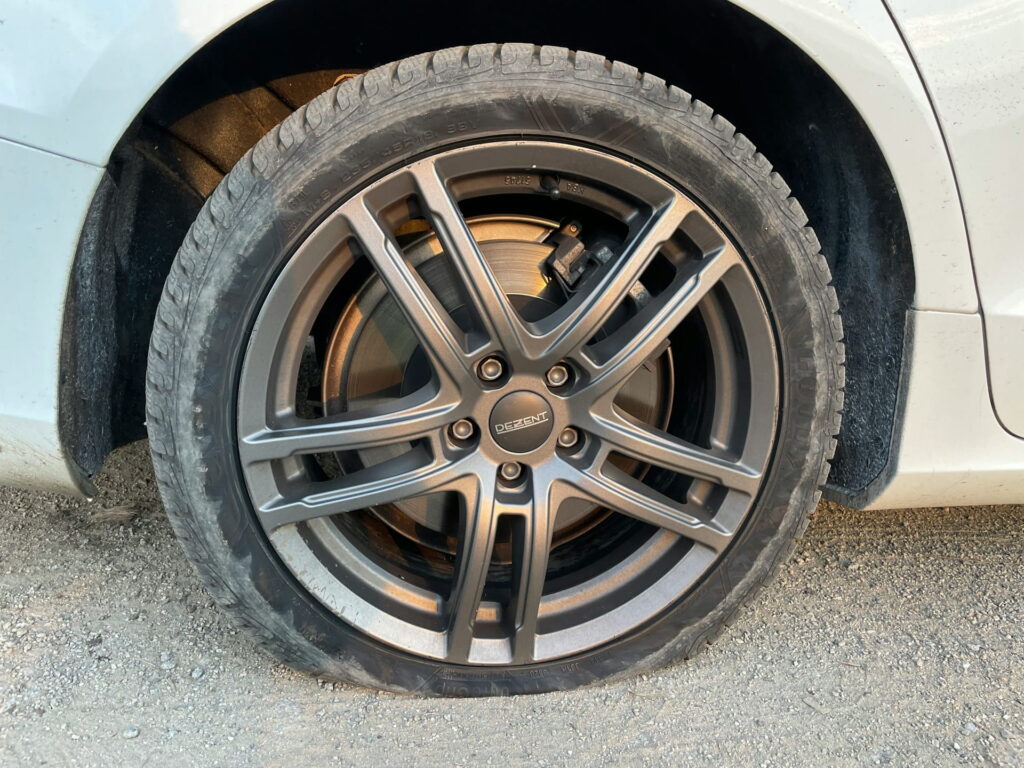
If your tyre keeps losing pressure but there is no obvious puncture, the alloy wheel itself may be part of the problem. Slow air loss can be frustrating and may become unsafe if it is ignored.
Several issues can cause air to leak from around an alloy wheel, including corrosion, cracks, damaged valves and poor tyre sealing.
This guide explains the common causes and when you may need a replacement alloy wheel.
Tyre Punctures
The first thing to check is the tyre. Nails, screws and sharp road debris can cause slow punctures. Sometimes the object remains in the tyre, allowing air to escape gradually.
If the tyre has been checked and no puncture is found, the issue may be with the wheel or valve.
Corrosion Around the Bead Seat
The bead seat is the area where the tyre seals against the wheel. Corrosion in this area can stop the tyre from sealing properly.
This is common on older alloy wheels or wheels with damaged paint or lacquer. Air may slowly escape between the tyre and the wheel.
In some cases, cleaning and resealing may help. If the corrosion is severe, refurbishment or replacement may be needed.
Cracked Alloy Wheel
A crack in the alloy wheel can allow air to escape. Cracks may be caused by potholes, kerb impacts or accident damage.

Not all cracks are easy to see. Many appear on the inner rim, where they may be hidden when the wheel is fitted to the car.
If one tyre repeatedly loses air after being repaired, the wheel should be inspected.
If you suspect your wheel is cracked, read our guide Can You Drive with a Cracked Alloy Wheel? to learn more about the risks and when a replacement may be needed.
Damaged Valve
The tyre valve can also cause air loss. Valves can become damaged, loose or worn over time.
A faulty valve is usually a simple fix, but it should be checked before assuming the wheel itself needs replacing.
Buckled or Distorted Wheel
A buckled wheel can affect how the tyre sits against the rim. If the wheel is distorted, the tyre may not seal properly and air may escape.

Other signs of a buckled wheel include vibration, uneven tyre wear and difficulty balancing.
Poor Previous Repairs
If a wheel has been welded, filled or refurbished poorly, it may not seal properly. Paint build-up, corrosion under the finish or uneven repair areas can all contribute to air loss.
What Should You Do?
If an alloy wheel is losing air, do not keep topping up the tyre without finding the cause. Low tyre pressure can affect handling, braking, fuel economy and tyre wear.
Ask for the tyre, valve and wheel to be checked. If the wheel is cracked, badly corroded or distorted, replacement may be the safest option.
For more information on identifying different types of alloy wheel damage, see our guide Alloy Wheel Damage Guide: Cracks, Buckles, Kerbing and Corrosion.
Final Advice
Alloy wheels can lose air for several reasons, including corrosion, cracks, valve issues and buckles. If the problem keeps returning, the wheel should be inspected properly. A suitable used replacement alloy wheel may be the best solution if the original wheel is damaged beyond repair.
If you need to replace a damaged wheel, our guide Single Replacement Alloy Wheel: When Do You Need One? explains what to consider when choosing a suitable replacement.