
Alloy Wheel Damage Guide: Cracks, Buckles, Kerbing and Corrosion
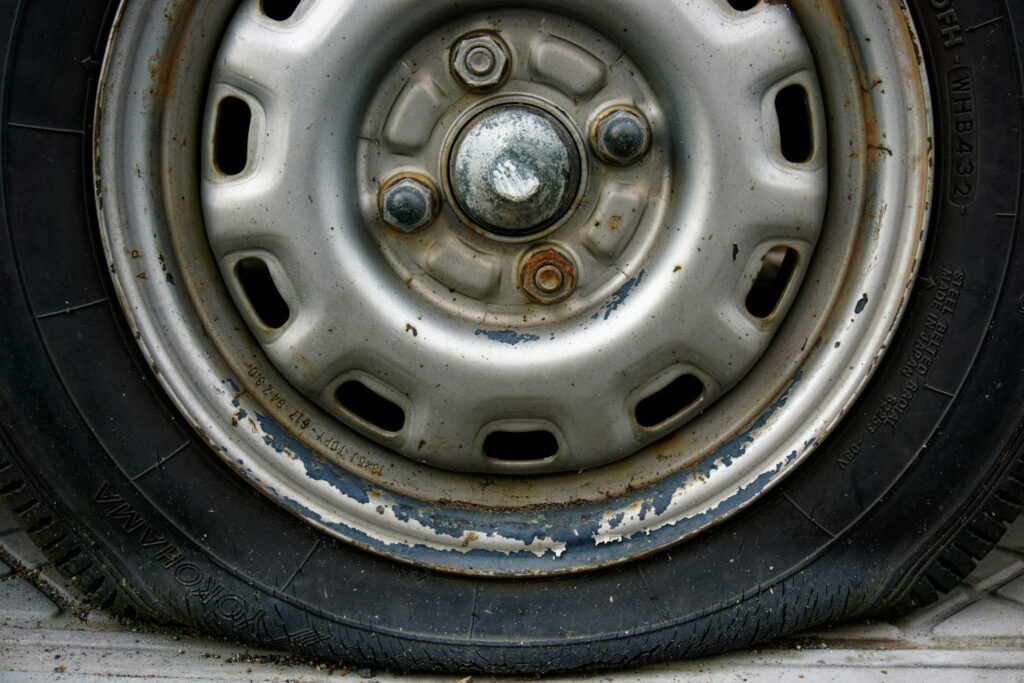
Alloy wheels can suffer many types of damage during everyday driving. Some issues are mainly cosmetic, while others can affect safety, tyre pressure and how the car drives.
Understanding the difference can help you decide whether a wheel needs cleaning, refurbishment, repair or replacement.
This guide explains the most common types of alloy wheel damage, including cracks, buckles, kerbing and corrosion.
Kerbed Alloy Wheels
Kerbing is one of the most common types of alloy wheel damage. It usually happens when the wheel scrapes against a kerb while parking or turning.
Light kerbing is usually cosmetic and may be repairable through refurbishment. Severe kerbing can be more serious if it damages the rim edge or tyre bead seat.
Cracked Alloy Wheels
Cracks are more serious than cosmetic damage. They can appear after hitting potholes, kerbs or road debris.

A cracked alloy wheel may cause slow tyre pressure loss and can become worse over time. Cracks are often found on the inner rim, so they may not be visible without removing the wheel.
If you have noticed a crack in your wheel, see our guide Can You Drive with a Cracked Alloy Wheel? for more information on the risks and when replacement may be necessary.
Buckled Alloy Wheels
A buckled wheel has been bent out of shape. This can cause vibration, poor balancing and uneven tyre wear.

Symptoms of a buckled wheel include:
- Steering wheel vibration
- Shaking at speed
- Uneven tyre wear
- Slow air loss
- Difficulty balancing the wheel
A minor buckle may sometimes be repairable, but a severe buckle may need replacement.
Corroded Alloy Wheels
Alloy wheels can corrode over time, especially if the lacquer or paint finish is damaged. Corrosion around the tyre bead seat can cause slow air leaks.
Corrosion can also make the wheel look old and worn. Cosmetic corrosion may be suitable for refurbishment, but heavy corrosion should be checked carefully.
Previous Repairs
Some alloy wheels may have been welded or repaired in the past. This does not always mean the wheel is unusable, but it should be inspected carefully.
Look for uneven surfaces, weld marks, excessive filler or signs that a crack has reopened.
If you are unsure whether a damaged or previously repaired wheel is safe to use, read our guide Are Used Alloy Wheels Safe? What to Look For Before Fitting Them.
Repair or Replace?
The decision depends on the type and severity of damage.
Refurbishment may be suitable for:
- Light kerbing
- Paint damage
- Surface corrosion
- Cosmetic scratches
Replacement may be better for:
- Cracks
- Severe buckles
- Heavy corrosion
- Repeated air loss
- Poor previous repairs
If refurbishment may be suitable for your wheels, our guide How Much Does Alloy Wheel Refurbishment Cost in the UK? explains what you can expect to pay and what can affect the cost.
Why Fitment Still Matters
If you replace a damaged wheel, make sure the replacement has the correct size, width, PCD, offset and centre bore. A wheel that looks similar may not fit safely.
Final Advice
Not all alloy wheel damage is equal. Cosmetic marks may be repairable, but cracks, buckles and heavy corrosion should be treated more seriously. If one wheel is damaged beyond repair, a used or refurbished replacement alloy wheel may be the most practical solution.