
Diamond Cut Alloy Wheels Explained: Pros, Cons and Care Tips
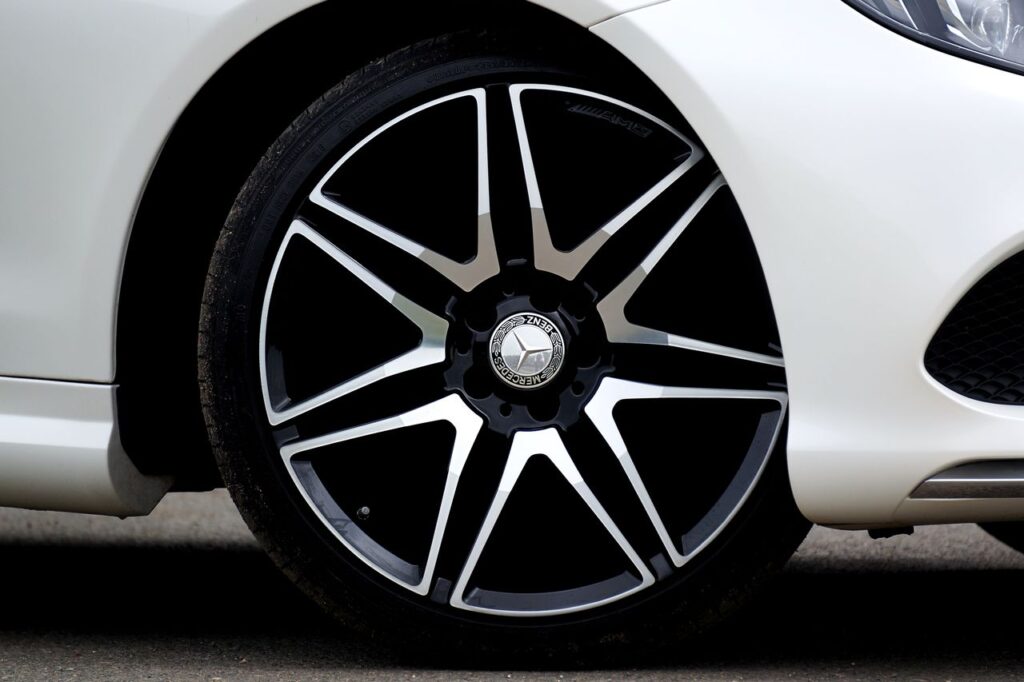
Diamond cut alloy wheels are popular on many modern cars because of their sharp, polished appearance. They can give a vehicle a premium look, but they also need careful maintenance and may be more expensive to refurbish than standard painted wheels.
If you are buying used or refurbished alloy wheels, it is useful to understand what diamond cut means and what to check before buying.
What Are Diamond Cut Alloy Wheels?
A diamond cut alloy wheel has part of its painted surface machined away using a specialist lathe. This creates a bright, polished metal finish with fine lines visible in the surface.
The wheel is then lacquered to protect the finish.
Diamond cut wheels often have a two-tone appearance, combining painted sections with shiny machined areas.
Why Are Diamond Cut Wheels Popular?
Diamond cut wheels are popular because they look clean, modern and premium. Many manufacturers fit them to higher trim models because they improve the appearance of the car.
They are common on brands such as Audi, BMW, Mercedes, VW, Ford and many others.
Benefits of Diamond Cut Alloy Wheels
Diamond cut alloys can offer:
- A premium appearance
- A distinctive two-tone finish
- Original manufacturer styling
- Strong visual appeal
- Good match for modern vehicles
They can be a good option if you want replacement wheels that match your car’s factory look.
Things to Consider
Diamond cut wheels can be more vulnerable to lacquer damage. If water gets under the lacquer, the finish can become cloudy, milky or corroded.
They may also be more expensive to refurbish because the machining process is specialist. Some wheels can only be diamond cut a limited number of times because each refurbishment removes a small amount of metal.
If you're considering refurbished diamond cut wheels, see our guide Used vs Refurbished Alloy Wheels: Which Should You Buy? to help you compare your options.
What to Check Before Buying Used Diamond Cut Wheels
Before buying, check for:
- Lacquer peel
- White corrosion marks
- Kerbing
- Cracks
- Buckles
- Previous refurbishments
- Matching finish
- Correct size and fitment
Cosmetic marks may be acceptable depending on your budget, but structural damage should always be taken seriously.
For more information on identifying different types of wheel damage, see our guide Alloy Wheel Damage Guide: Cracks, Buckles, Kerbing and Corrosion.

How to Care for Diamond Cut Wheels
To help protect the finish:
- Clean regularly
- Avoid harsh acidic cleaners
- Remove brake dust promptly
- Use gentle wheel cleaning products
- Avoid kerbing where possible
- Repair lacquer damage before corrosion spreads
Final Advice
Diamond cut alloy wheels look smart, but they require more care than some standard painted wheels. If buying used or refurbished diamond cut alloys, check both the cosmetic finish and the structural condition before fitting them to your car.