
OEM vs Aftermarket Alloy Wheels: What Is the Difference?
When buying alloy wheels, you may see the terms OEM and aftermarket. Understanding the difference can help you choose the right wheels for your car, especially if you need a single replacement alloy wheel or want to keep your vehicle looking original.
Both OEM and aftermarket wheels can be suitable, but they are not always interchangeable.
What Are OEM Alloy Wheels?
OEM stands for Original Equipment Manufacturer. OEM alloy wheels are made for a specific vehicle manufacturer or supplied to the manufacturer’s specification.
These are the wheels your car may have been fitted with from new. They are designed to match the vehicle’s fitment requirements, styling and load needs.
OEM wheels are often popular with drivers who want to keep their car original.
What Are Aftermarket Alloy Wheels?
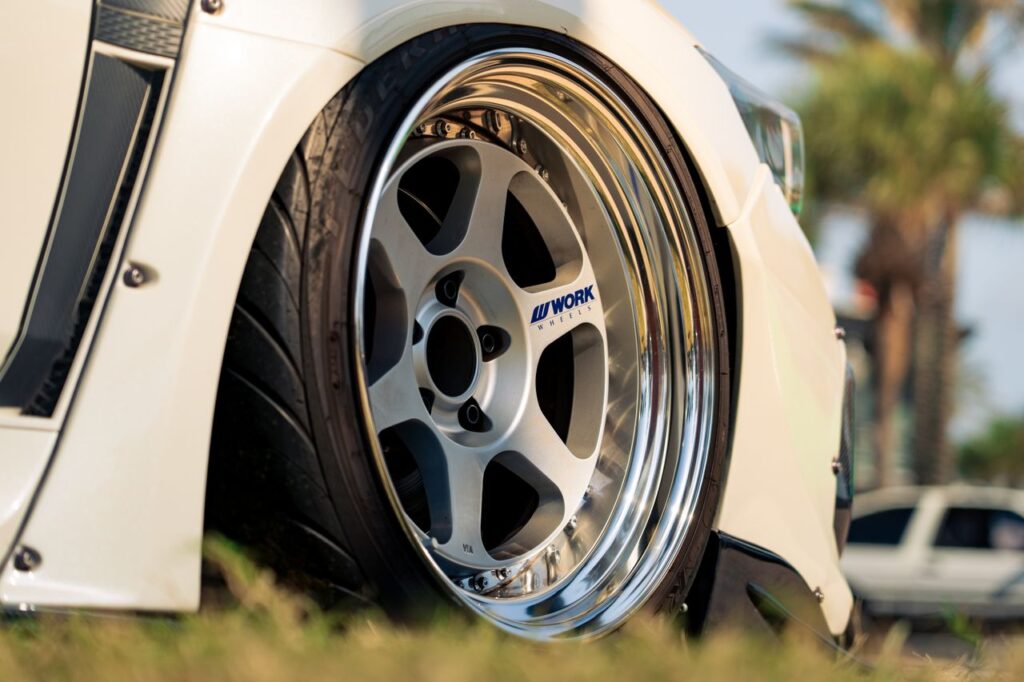
Aftermarket alloy wheels are made by independent wheel brands rather than the vehicle manufacturer. They are often chosen for styling, size options or personalisation.
Aftermarket wheels can be a good choice, but the fitment details must be checked carefully.
Why OEM Wheels Are Useful for Replacements
If you need to replace one damaged alloy wheel, an OEM wheel is often the easiest way to match the rest of the set.
Benefits include:
- Original vehicle appearance
- Easier style matching
- Manufacturer-specific fitment
- Useful for lease cars or resale
- Often available used or refurbished
However, you still need to check the part number, size, offset and PCD.
If you are replacing just one wheel, our guide Single Replacement Alloy Wheel: When Do You Need One? explains what to consider when choosing a matching replacement.
Why Choose Aftermarket Wheels?
Aftermarket wheels may be suitable if you want a different design, larger size or custom finish. They can also be available in a wide range of prices.
Before buying aftermarket wheels, check:
- PCD
- Offset
- Centre bore
- Load rating
- Brake clearance
- Tyre compatibility
If you're unsure about PCD and how it affects wheel fitment, see our guide What Is Alloy Wheel PCD? A Simple Guide for UK Drivers.
You can also learn more about choosing the correct wheel dimensions in our guide How to Find the Correct Alloy Wheel Size for Your Car.
Are OEM Wheels Better?
OEM wheels are not automatically better for every driver, but they are often the safer choice when replacing one wheel or keeping a car original.
Aftermarket wheels can work well when correctly specified, but poor fitment can cause rubbing, vibration or handling issues.
Can You Mix OEM and Aftermarket Wheels?
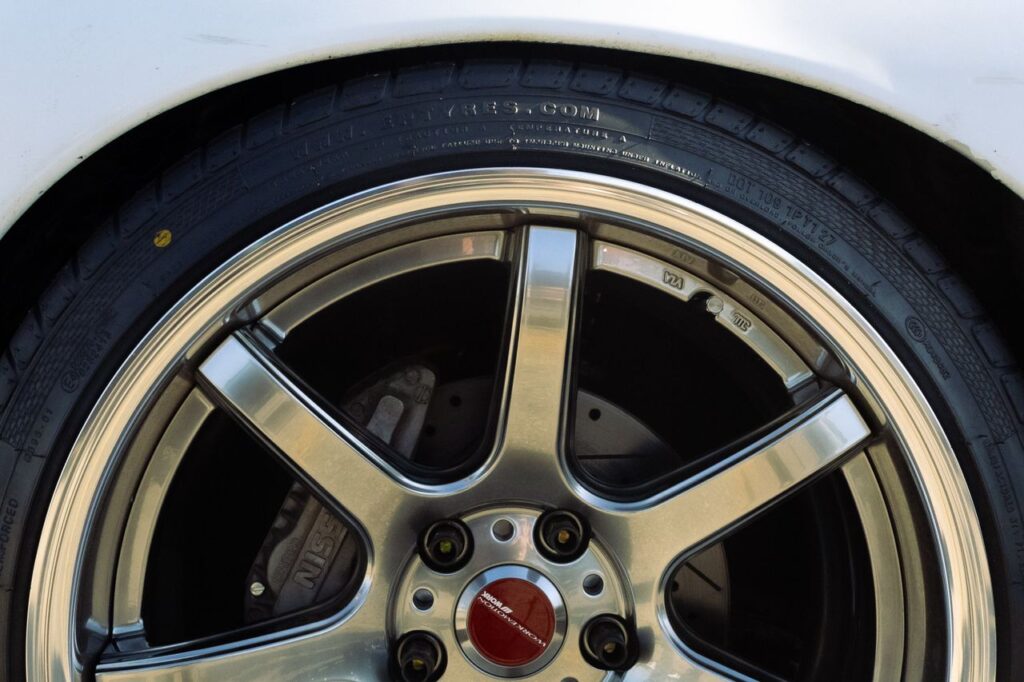
Mixing wheel types is generally not recommended unless the wheels are identical in specification and suitable for the vehicle. For appearance, handling and safety, it is best to keep wheels matched across an axle and ideally across the full set.
Final Advice
OEM alloy wheels are ideal if you want originality and a direct replacement. Aftermarket alloy wheels offer more styling choice but require careful fitment checks. Whichever you choose, always confirm the size, PCD, offset, centre bore and condition before buying.