
Can You Drive with a Cracked Alloy Wheel?
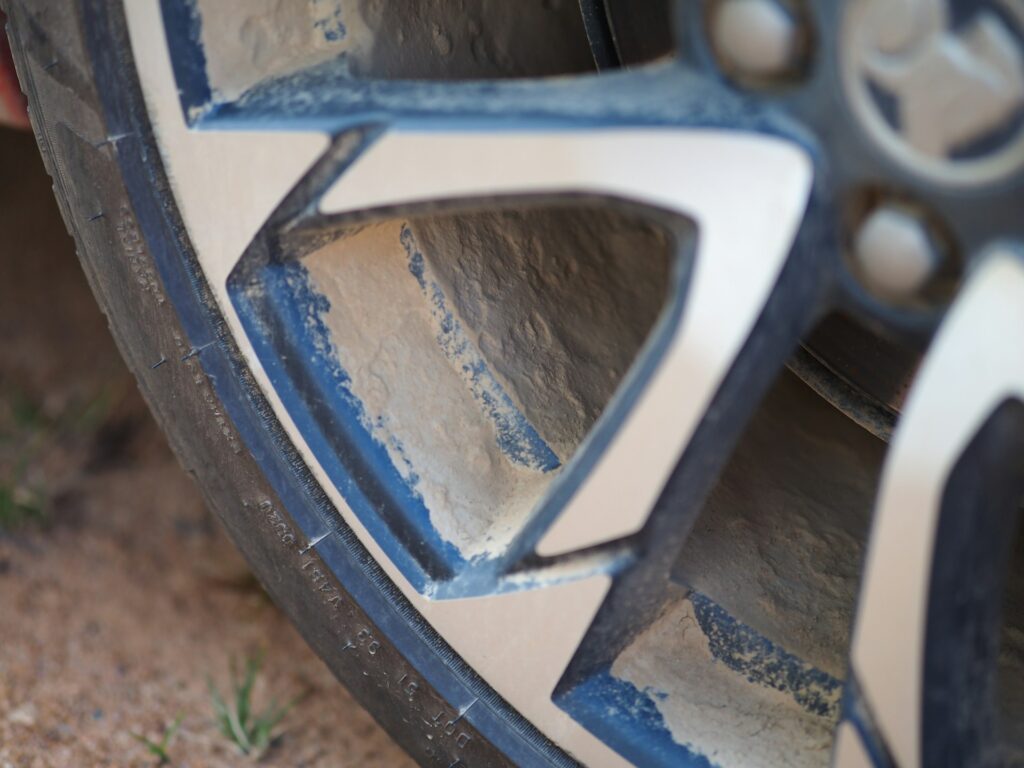
A cracked alloy wheel should never be ignored. While some damage may look small at first, a crack can affect the wheel’s ability to hold air and support the tyre safely.
If you suspect your alloy wheel is cracked, it is best to have it inspected before continuing to drive. In many cases, replacing the wheel is the safest option.
This guide explains the risks of driving with a cracked alloy wheel, the warning signs to look for and when you may need a replacement.
What Causes Alloy Wheels to Crack?
Alloy wheels can crack after a heavy impact. Common causes include:
- Hitting a pothole
- Striking a kerb
- Driving over road debris
- Accident damage
- Repeated impact on poor road surfaces
Cracks are often found on the inner rim where they are harder to see. This means you may notice symptoms before you actually see the damage.
Signs Your Alloy Wheel May Be Cracked
A cracked alloy wheel may cause:
- Slow tyre pressure loss
- Repeated flat tyres
- Vibration through the steering wheel
- A visible line or split in the wheel
- Air leaking even after the tyre has been checked
- Difficulty balancing the wheel
If your tyre keeps losing pressure and there is no obvious puncture, the wheel itself may be the problem.

Is It Safe to Drive?
Driving on a cracked alloy wheel can be risky. The crack may get worse, especially if you hit another pothole or drive at higher speeds. A cracked wheel can also allow the tyre to lose air suddenly or gradually.
If you notice a crack, avoid unnecessary driving and arrange an inspection as soon as possible.
For more information, see our guide Are Used Alloy Wheels Safe? What to Look For Before Fitting Them.
Can a Cracked Alloy Wheel Be Repaired?
Some cracked wheels can be welded, but repair is not always suitable. The decision depends on where the crack is, how severe it is and whether the wheel has other damage.
A wheel with multiple cracks, severe buckling or previous poor repairs may be better replaced.
Should You Replace One Wheel or a Full Set?
If only one wheel is cracked and the others are in good condition, you may only need a single replacement alloy wheel. The key is to match the replacement to your existing wheels.
Check:
- Wheel diameter
- Width
- PCD
- Offset
- Centre bore
- Style
- Finish
- Manufacturer part number if available
If you need to replace a damaged wheel, read our guide Single Replacement Alloy Wheel: When Do You Need One? for more information on choosing the right replacement.
What About the Tyre?
If the alloy wheel has cracked after an impact, the tyre should also be checked. Look for sidewall bulges, cuts, uneven wear and pressure loss.
A damaged tyre should not be reused, even if the replacement wheel is suitable.

Final Advice
A cracked alloy wheel can be a serious safety issue. If you suspect a crack, do not rely on appearance alone. Have the wheel checked and consider replacing it if there is any doubt about its structural condition.