
What Is Alloy Wheel PCD? A Simple Guide for UK Drivers
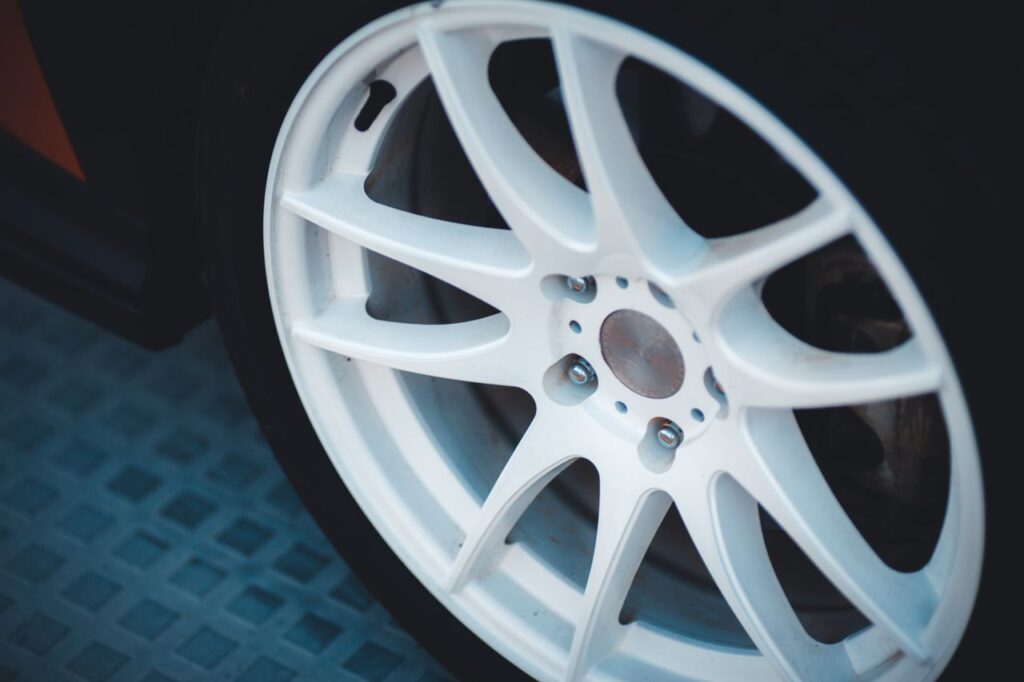
If you are buying replacement alloy wheels, one of the most important terms you will come across is PCD. It may sound technical, but it is essential to understand because it determines whether an alloy wheel will bolt onto your car correctly.
PCD is one of the key fitment measurements you need to check before buying used alloy wheels, refurbished wheels or aftermarket alloys.
If you’re new to buying alloy wheels, our Used Alloy Wheels Buying Guide explains what to look for before making a purchase.
What Does PCD Mean?
PCD stands for Pitch Circle Diameter. It describes the number of bolt holes in the wheel and the diameter of the imaginary circle that passes through the centre of those holes.
In simple terms, PCD tells you the bolt pattern of the wheel. For example, a wheel with a PCD of 5x112 has five bolt holes and a pitch circle diameter of 112mm.
Common PCD Examples
You may see PCD measurements written as 4x100, 5x100, 5x10⁸, 5x112 or 5x120. These numbers vary depending on the vehicle manufacturer, model and year.
A 5x112 wheel and a 5x120 wheel may look similar, but they are not the same fitment.
Why Is PCD Important?
PCD is important because the wheel must match the bolt pattern on your car. If the PCD is wrong, the wheel will not line up correctly with the wheel hub and cannot be fitted safely.
Can Two Wheels Look the Same but Have Different PCD?
Yes. Two alloy wheels can look almost identical but have different PCD measurements. Different models from the same brand may use similar designs but different fitments.
How Do I Find My Car’s PCD?
You can check your vehicle handbook, check the markings on your existing alloy wheel, search using your vehicle make, model and year, ask a wheel specialist, or compare the OEM part number.
You can also browse our alloy wheel options for popular manufacturers including Audi, BMW, Mercedes and VW to find wheels suited to your vehicle.
Is PCD the Only Measurement I Need?
No. PCD is very important, but it is only one part of wheel fitment. You also need to check wheel diameter, wheel width, offset, centre bore, load rating, tyre compatibility and brake clearance.
For more information on checking your wheel measurements, see our guide on how to find the correct alloy wheel size for your car.
What Happens If the PCD Is Wrong?
If the PCD is wrong, the wheel will not fit correctly. Trying to fit wheels with the wrong PCD can lead to unsafe wheel fitting, damaged bolts or studs, vibration, poor wheel seating, risk of the wheel coming loose and damage to the hub.
What About Multi-Fit Alloy Wheels?
Some aftermarket alloy wheels are designed with more than one bolt pattern. Even with multi-fit wheels, you still need to check that one of the bolt patterns matches your car exactly.
Can Adaptors Change PCD?
Wheel adaptors can sometimes be used to change fitment, but they can affect offset, wheel position and overall safety if not chosen and fitted correctly. For most drivers, the safest and simplest option is to buy wheels with the correct PCD from the start.
Final Advice
PCD is one of the most important measurements to check when buying alloy wheels. Before buying used alloy wheels, refurbished wheels or a single replacement alloy, always check the PCD along with the wheel size, offset and centre bore.