
Are Used Alloy Wheels Safe? What to Look For Before Fitting Them
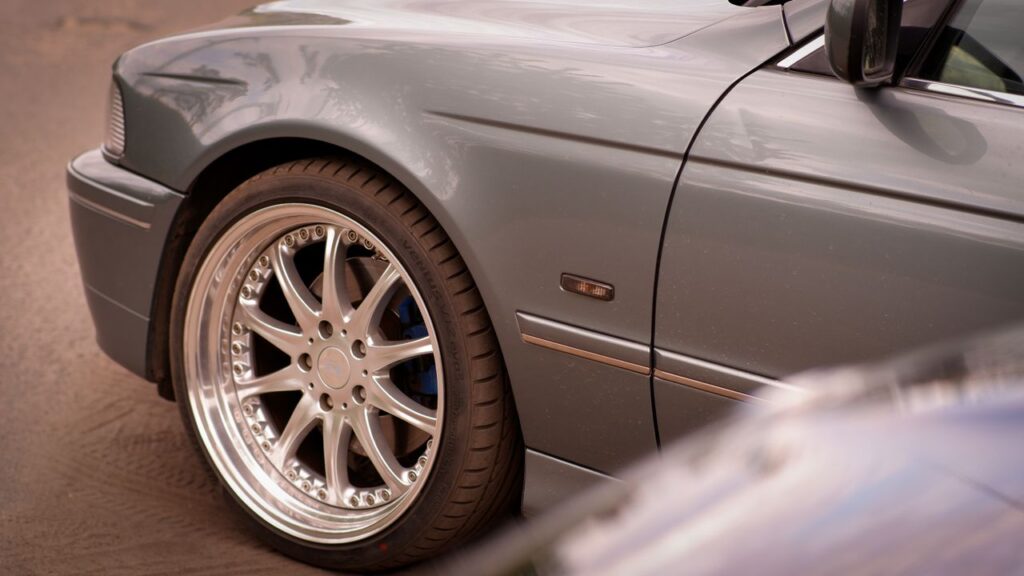
Used alloy wheels can be a safe and cost-effective choice, but only if they are suitable for your vehicle and in good condition. Like any second-hand car part, the key is knowing what to check before buying and fitting them.
A used alloy wheel may look fine at first glance, but hidden damage can sometimes cause problems such as air loss, vibration, poor handling or tyre wear.
Are Used Alloy Wheels Safe?
Yes, used alloy wheels can be safe if they are structurally sound, correctly fitted and compatible with your vehicle.
Many used alloy wheels are genuine manufacturer wheels that have simply been removed from another car. However, you should always check the wheel carefully before fitting it.
If you're considering buying used alloy wheels, our Used Alloy Wheels Buying Guide covers the key things to check before making a purchase.
Check for Cracks
Cracks are one of the most serious forms of alloy wheel damage. A cracked wheel can allow air to escape from the tyre and may become worse over time.

Cracks are often found on the inner rim, around the outer edge, near the spokes, around bolt holes and close to previous repair areas.
Check for Buckles
A buckled alloy wheel is bent or distorted. This often happens after hitting a pothole, kerb or road debris.

Signs of a buckled wheel include steering wheel vibration, shaking at certain speeds, uneven tyre wear, difficulty balancing the wheel and slow tyre pressure loss.
Look for Heavy Corrosion
Alloy wheels can corrode over time, especially around the tyre bead seat or valve hole. Corrosion in these areas can prevent the tyre from sealing properly and may lead to slow air leaks.
Check for Previous Repairs
Some alloy wheels may have been repaired in the past. Look out for weld marks, uneven surfaces, excessive filler, poor paint finish, signs of previous cracks and distortion around repaired areas.
Inspect the Bolt Holes
Avoid wheels with cracked bolt holes, oval or distorted holes, heavy wear around the seating area, incorrect bolt pattern, or damage caused by over-tightening.
Check the Bead Seat
The bead seat is the area where the tyre seals against the wheel. If this area is corroded, cracked or damaged, the tyre may lose air.
Make Sure the Wheel Fits Your Car
Even if a used alloy wheel is in excellent condition, it still needs to be compatible with your vehicle. Check wheel diameter, width, PCD, offset, centre bore, load rating, tyre size and brake clearance.
Used Alloy Wheels and Tyres
If the used alloy wheel comes with a tyre, the tyre should also be checked for tread depth, uneven wear, cracks, bulges, puncture repairs, sidewall damage and tyre age.
Are OEM Used Alloy Wheels a Good Choice?
Genuine OEM alloy wheels can be a very good choice, especially if you are replacing one damaged wheel and want to keep your car original.
If you only need to replace one damaged wheel, read our guide on single replacement alloy wheels to learn what to check before buying.
FAQs
Check your vehicle’s wheel size, PCD, offset, centre bore and tyre compatibility.
Yes, if they are in good condition and correctly matched to your vehicle.
Yes, but it should match your existing wheels in size, PCD, offset, centre bore, style and finish.
Final Advice
Used alloy wheels can be safe, affordable and practical, but they should always be checked carefully before fitting. Cosmetic marks are common on second-hand wheels, but cracks, buckles, heavy corrosion and poor repairs are more serious.