
Single Replacement Alloy Wheel: When Do You Need One?
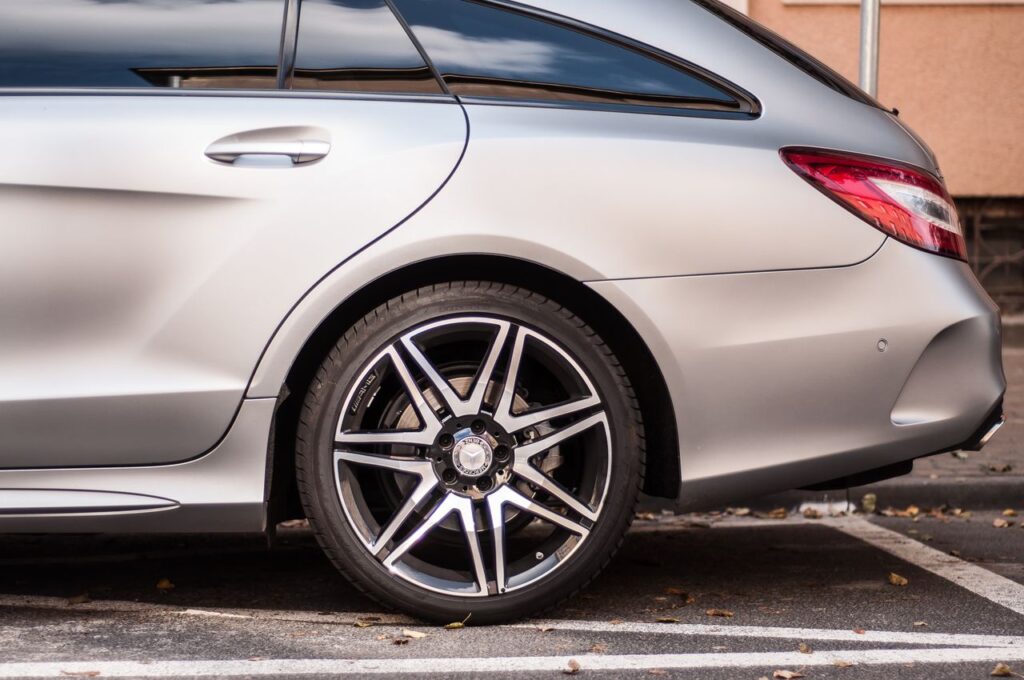
You do not always need to replace a full set of alloy wheels. In many cases, a single replacement alloy wheel is enough to get your car looking and driving as it should again.
A single alloy wheel replacement can be useful if one wheel has been cracked, buckled, badly kerbed, corroded or damaged by a pothole. It can also be a cost-effective option if the other three wheels are still in good condition.
When Might You Need a Single Replacement Alloy Wheel?
There are several reasons why you may need to replace just one alloy wheel.
Pothole Damage
Potholes are one of the most common causes of alloy wheel damage. Hitting a pothole at speed can crack, bend or buckle the wheel.
Signs of pothole damage may include vibration through the steering wheel, loss of tyre pressure, a visible bend in the rim, cracks on the inner or outer edge, and uneven tyre wear.
Cracked Alloy Wheel
A cracked alloy wheel should always be taken seriously. A crack can allow air to escape from the tyre and may worsen over time.

Some cracks are visible on the outer face of the wheel, while others may be hidden on the inner rim. If your tyre keeps losing air and there is no obvious puncture, the wheel itself could be damaged.
For more information about identifying potentially dangerous wheel damage, see our guide on whether you can drive with a cracked alloy wheel.
Buckled Alloy Wheel
A buckled alloy wheel is a wheel that has been bent out of shape. Common symptoms include steering wheel vibration, shaking at higher speeds, uneven tyre wear, difficulty balancing the wheel, and air loss from the tyre.

Heavy Kerbing
Light kerb marks are usually cosmetic, but severe kerbing can damage the edge of the wheel. If the rim is deeply gouged, cracked or distorted, replacement may be the better option.
Corrosion
Older alloy wheels can suffer from corrosion, especially around the tyre bead or valve area. This can cause slow air leaks and make the wheel harder to refurbish.
Can You Replace Just One Alloy Wheel?
Yes, you can replace just one alloy wheel, but the replacement needs to match the other wheels fitted to your car. Check wheel diameter, wheel width, PCD, offset, centre bore, style, finish and manufacturer part number if available.
Should You Buy Used or New?
A used alloy wheel can be a practical option when you only need one replacement. New wheels from a main dealer can be expensive, especially for genuine manufacturer wheels.
Used alloy wheels are often available at a lower price and may make it easier to match the original style on your car.
Looking for a single replacement alloy wheel? Browse our selection of single alloy wheels to find a suitable match for your vehicle.
How to Match a Single Replacement Alloy Wheel
If possible, check the markings on the back of your existing wheel. These may show the size, width, offset and part number.
You can also use your vehicle make and model, year of manufacture, wheel size, tyre size, photos of the existing wheel and OEM part number.
If you need help understanding wheel measurements, our guide on how to find the correct alloy wheel size for your car explains the key fitment details to check.
Should You Replace the Tyre Too?
Not always. If your tyre is still in good condition and has not been damaged, it may be possible to fit it to the replacement alloy wheel. However, the tyre should be inspected carefully, especially if the wheel was damaged by an impact.
Final Advice
A single replacement alloy wheel can save money and avoid the need to buy a full set. Before buying, make sure the replacement wheel matches your car and the other wheels already fitted.